
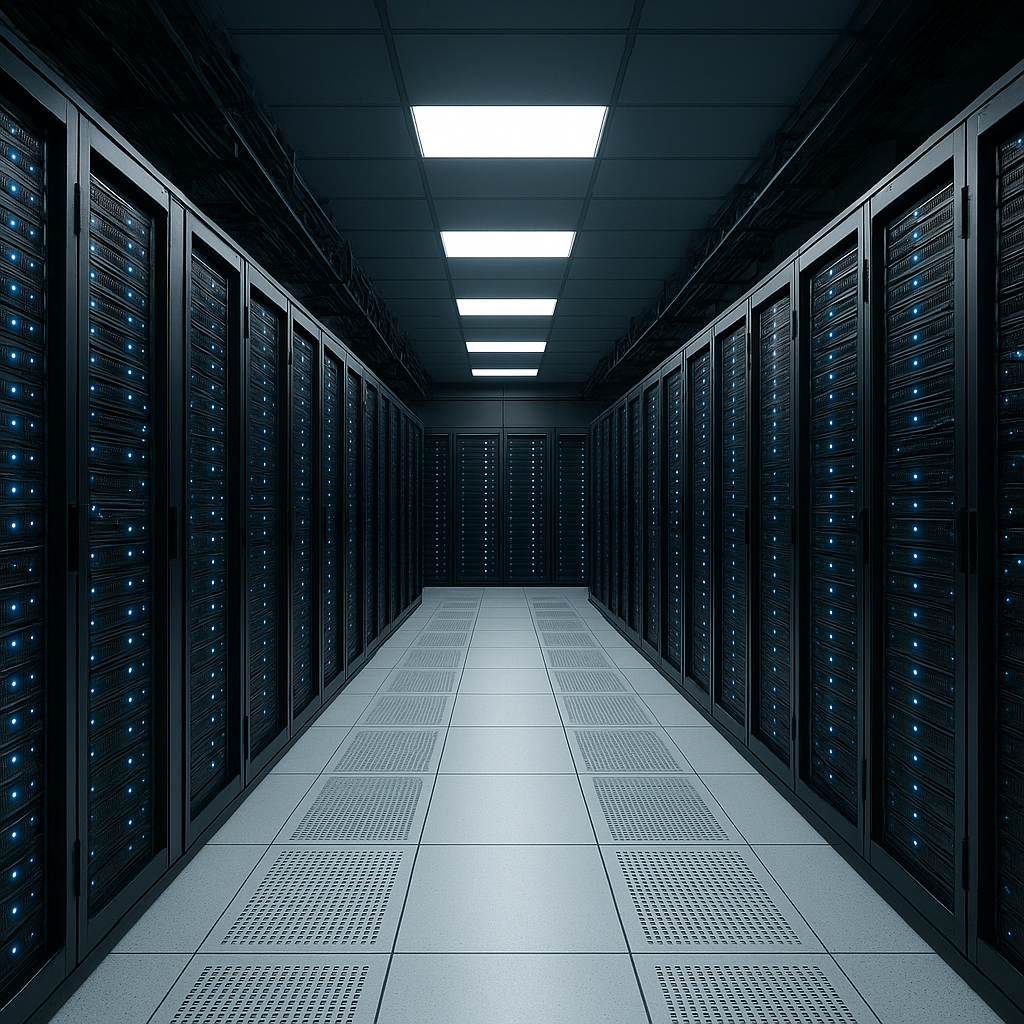
As businesses in Austin, Texas, continue to evolve in an increasingly digital economy, the role of robust data center and IT infrastructure services becomes more critical than ever. Whether you’re managing a burgeoning tech startup or an established enterprise, ensuring your data center operations are efficient, secure, and scalable is vital for sustained growth. In this blog post, we’ll explore essential strategies for optimizing data center infrastructure that resonate with the unique demands faced by IT managers and businesses in Austin, Texas, USA.
### Understanding the Local Data Center Landscape
Austin is rapidly emerging as a technology hub, attracting companies that demand high-performance IT infrastructure. The city’s climate, electricity costs, and local regulations all play a significant role in how data centers operate. For IT managers, understanding these local nuances helps in selecting right-sized facilities and technologies tailored to Austin’s environment. For example, leveraging energy-efficient cooling systems is crucial in Texas’s warm climate to reduce operational costs and carbon footprint.
### Prioritizing Energy Efficiency and Sustainability
One of the pressing concerns for data centers in Austin is energy consumption. Given Texas’s power grid volatility and rising energy costs, businesses must prioritize energy-efficient design and operations. Strategies such as implementing advanced cooling technologies, using renewable energy sources, and deploying energy monitoring solutions can significantly enhance efficiency. Not only do these approaches lower costs but they also support Austin’s growing commitment to sustainability, aligning your data center with the city’s green initiatives.
### Leveraging Advanced Security Measures
Data security isn’t just a concern for global enterprises; local businesses in Austin require robust protection to safeguard sensitive data against cyber threats and physical risks. IT managers should implement multi-layered security protocols encompassing firewall configurations, access controls, and continuous monitoring. Given Austin’s status as a tech hotspot, staying ahead of cybersecurity trends—including compliance with regulations such as Texas’s data privacy laws—ensures your business protects client information and maintains trust in a competitive market.
### Scalability and Flexibility for Growing Businesses
Austin-based businesses often experience rapid growth, necessitating scalable IT and data center infrastructure. Whether you opt for on-premises, colocation, or hybrid cloud solutions, choosing infrastructure that can adapt to changing business needs is fundamental. IT managers should focus on modular designs and virtualization technologies, enabling seamless capacity upgrades and integration of new applications without disrupting operations. This agility supports Austin’s dynamic business climate, helping companies stay competitive.
### Importance of Local Support and Connectivity
The benefits of proximity cannot be overstated for businesses in Austin, Texas. Selecting data center providers with local presence ensures faster response times for maintenance and troubleshooting, minimizing downtime. Additionally, Austin’s growing fiber-optic network provides exceptional connectivity options vital for data-intensive operations. Prioritizing partners with strong local infrastructure helps businesses gain a strategic advantage through reduced latency and improved resilience.
### Preparing for Disaster Recovery and Business Continuity
Given Texas’s susceptibility to extreme weather events, including storms and flooding, planning for disaster recovery is essential for Austin’s businesses. Robust backup systems, redundant power supplies, and geographically dispersed recovery sites help maintain business continuity during disruptions. IT managers should develop comprehensive disaster response plans tailored to the region’s risks, ensuring minimal impact on operations and quick recovery times.
### Conclusion
For businesses and IT managers in Austin, Texas, USA, optimizing data center infrastructure requires a blend of local insight, technological foresight, and strategic planning. From energy efficiency and security to scalability and disaster preparedness, addressing these core areas ensures your data infrastructure not only supports current demands but also drives future growth. By investing in sustainable and resilient data center solutions, Austin companies can secure their place in the competitive digital landscape while contributing positively to the community and environment.